
The Most Collectible Pennies of the Early 1970s
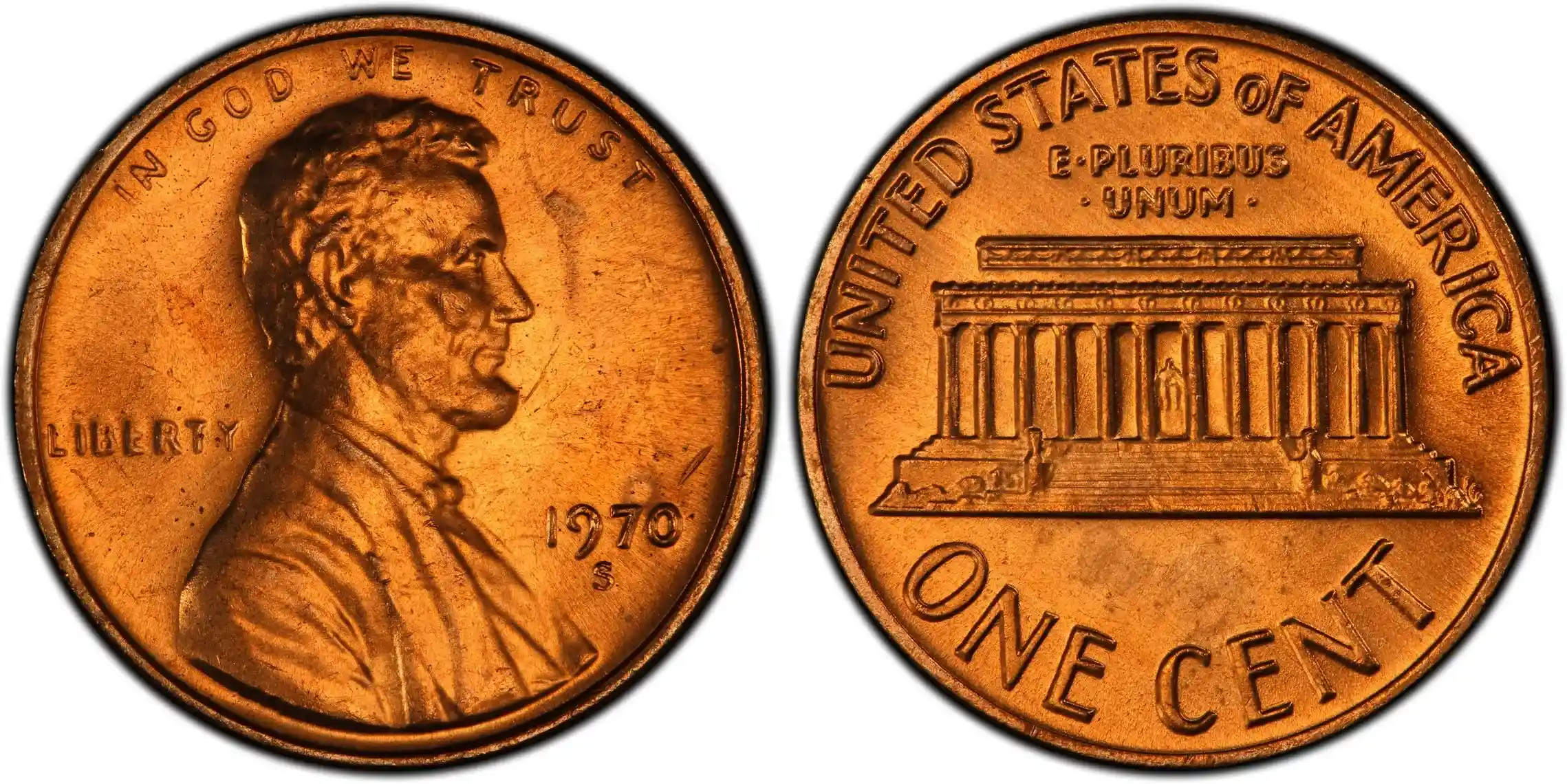
Standard copper metal pennies from the 1970-1974 period in worn condition have a low market value around $0.05-0.15. High quality copper metal pennies without wear sell for stable prices around $5-15.
Rare mint error 1972 pennies worth money and reach high market value levels around $3,000-5,000, and top auction prices can exceed $14,000. Collectors look for specific variety coins to get a high return.
1972 Penny and Neighboring Date Price Comparison
The 1972 copper metal penny line leads the coin market in price growth. The main reason is a famous double die error on the coin front. Comparing coin prices from nearby dates shows a big gap in investment returns.
Investment attraction by coin date
1972 coin release
1970 coin release
1971 coin release
1973 coin release
1974 coin release
A 1972 double die penny in MS65 Red condition sells for $300-450. Similar 1971 and 1973 copper metal pennies in MS65 Red condition without mint errors sell for just $1-3. The scarce 1970-S Small Date penny is an exception. That coin has a regular coin value around $50-120.
A 1971 double die penny has a market value around $200-350. This is less than the 1972 error penny price. Normal 1973 and 1974 copper metal pennies show a slow annual price rise of 2-3%. Rare 1972 error coins grow in value by 8-10% every twelve months.
US Coin Technical Parameters
Physical copper metal penny standards are set by the mint. Any weight change or metal mix difference indicates a counterfeit coin or a rare planchet error.
Coin Date and Mint Mark | Mass in Grams | Metal Mix | MS63 Average Price | MS65 Average Price | Record Auction Price |
1970-P no mint mark | 3.11 grams | 95% copper metal and 5% zinc metal | $0.20-0.50 | $3-7 | $2,820 |
1970-S Small Date | 3.11 grams | 95% copper metal and 5% zinc metal | $35-50 | $90-150 | $18,400 |
1971-P no mint mark | 3.11 grams | 95% copper metal and 5% zinc metal | $0.15-0.30 | $2-5 | $1,520 |
1971-S Proof | 3.11 grams | 95% copper metal and 5% zinc metal | $1-3 | $4-8 | $12,000 |
1972-P Type 1 DDO | 3.11 grams | 95% copper metal and 5% zinc metal | $250-350 | $500-750 | $14,400 |
1973-D | 3.11 grams | 95% copper metal and 5% zinc metal | $0.10-0.25 | $1-4 | $3,800 |
1974-P no mint mark | 3.11 grams | 95% copper metal and 5% zinc metal | $0.10-0.20 | $1-3 | $2,500 |
Valuable Coin Varieties of the Early 1970s
Coin investors focus on specific mint error types. Common coins with high mintages do not yield financial profits. Each error variety has clear identification marks and a strict price range.
1972 Doubled Die Obverse FS-101
This coin front features clear doubling on the words IN GOD WE TRUST and LIBERTY. The 1972 date numbers also show a strong double outline with a shift up and to the right.
Worn specimen prices start around $100-150. High grade MS65 Red coins sell for $500-750. MS66 Red grade specimens trade at $1,200-1,800. The current auction record is $14,400 for an MS67+ Red grade coin certified by PCGS professional grading. This specific variety coin offers excellent market liquidity.
1970-S Small Date
The main difference lies in the number 7 position. The rare Small Date variety has the high bar of the number 7 completely level with the tops of the numbers 1, 9, and 0. The word LIBERTY on the coin front looks slightly blurry and thin. Common 1970-S Large Date coins in worn condition sell for just $0.20-0.50.
A Small Date coin in similar condition has a market value around $35-60. MS65 Red grade specimens cost $90-150. Top grade MS67 Red specimens reach $2,000-3,000. The auction price record stands at $18,400 from a Heritage Auctions event.
1971 Doubled Die Obverse
This variety shows a clear double image of the trust motto letters on the coin top. The word TRUST has a strong leftward shift. Worn coins from circulation sell for $35-70.
Average uncirculated MS65 Red grade coins trade for $300-500. Professional grade MS66 Red specimens are worth $1,000-1,500. The highest auction sale price for this error reached $7,200.
1973-S Double Die Obverse
A minor doubling effect on the trust motto makes this coin difficult to find without a magnifier. The doubling shift is most visible on the letters of the motto IN GOD WE TRUST. Circulation quality coins sell for $15-30.
An MS65 Red grade coin guarantees a stable market value around $150-250. The top auction price for this scarce coin is $1,800.
1974-D Doubled Die
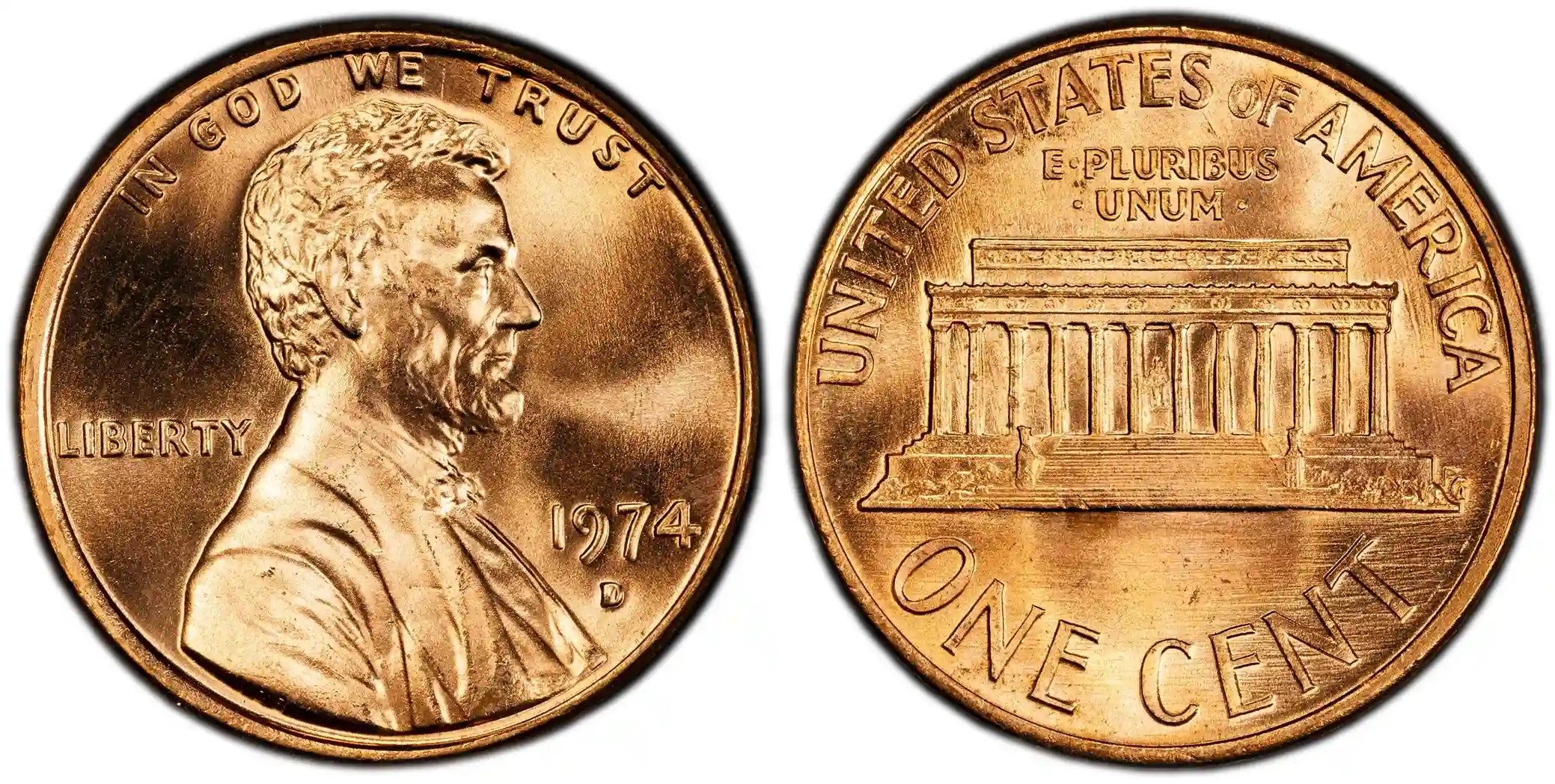
The mint error affects the word LIBERTY and several date numbers on the coin front. Worn coins sell for $10-20. Clean specimens with no metal wear sell for $100-180. Premium grade MS65 Red coins reach $300-500. The maximum price recorded for this variety is $800.
Lincoln Cent Price Factors
The market price of these copper metal pennies depends on a few clear factors. Buyers pay for physical condition and original metal color.
Coin value drivers
Sheldon scale grade level
Natural copper metal color
PCGS grading company holder
Mint mark clarity
Copper metal penny color has three main grades: Red, Red-Brown, and Brown. Original mint luster gives a coin the Red designation. Red copper metal coins have the highest prices. Dark brown oxidized coins get the Brown label.
The price gap between an MS65 Red coin and an MS65 Brown coin can reach 400%. A 1972 DDO coin in MS65 Red condition is worth $450, but an MS65 Brown specimen sells for just $110-130.
Price Trend Dynamics
Auction sales data from the last ten years shows a steady upward price trend for high grade copper metal pennies. Low grade worn coins show no price growth.
Price changes for the 1972 DDO MS65 Red penny
2016 price $280-320
2018 price $310-350
2020 price $350-400
2022 price $410-460
2024 price $450-520
2026 price $480-550
These numbers show a stable annual price growth around 6.5%. Brown color coins of the same variety stayed flat at $60-80 during the same timeframe. Investing in copper metal pennies only makes financial sense when buying high grade Red coins.
Poor Storage Dangers and Price Loss
Copper metal reacts easily with air and chemicals. Bad storage conditions can destroy the market value of rare 1970s pennies instantly.
Coin value destruction factors
High room humidity
PVC plastic coin albums
Sulfur paper envelopes
Bare hand contact
Cheap plastic coin pages contain PVC chemical softeners. This chemical creates a sticky green residue on the copper metal surface.
This process ruins the coin metal. A 1970-S Small Date penny with a regular value of $150 loses 90% of its price after PVC damage, dropping to its metal melt value of $0.02.
Finger oil on a polished Proof penny surface lowers the coin grade from PR69 to PR63. This grade drop causes a direct financial loss of $100-500 depending on the coin date.
Professional Grading and Certification
Selling rare 1970s pennies for top prices is impossible without expert evaluation. Certification by PCGS or NGC proves the mint error authenticity and fixes the official grade.
Grading service benefits
Authentic coin proof
Higher buyer trust
Plastic holder protection
Fast auction sales
A single coin grading fee costs $20-40 plus shipping costs. Sending coins to grading companies only makes sense if the estimated coin value exceeds $100.
Ordinary 1973 or 1974 copper metal pennies without errors are not worth grading. The high grading fees will exceed the market price of the coin.
Open Market Coin Purchases
Coin collectors find rare pennies on online auctions, in coin shops, or by searching through bank coin rolls. Every purchase method has specific price risks.
Buying channel details
eBay sellers often list cheap copper metal pennies under wrong error names
Major auction houses charge a 20% buyer premium fee on top of the final price
Bank coin rolls require many hours of work with no guaranteed finds